A future for farming
with nature.
Moorwild works with farmers, landowners and partners to develop practical projects that improve the environment and strengthen farm businesses.
We bring farmers, researchers, advisers and organisations together to develop practical project questions, trial ideas and funding applications, keeping farm costs, labour and business viability in view.
Our approach starts with the farm: its people, livestock, landscape and future. Environmental ambitions need to be considered alongside practical management and the viability of the businesses caring for the land.
Moorwild projects
What we do
We help farmers explore what their land can deliver, and what it will take to make a project work for the farm business as well as the environment.
—Develop practical project questions and trial ideas with farmers and partners.
—Support funding applications and project planning, subject to the relevant programme guidance.
—Bring farmers, advisers, researchers, funders and buyers together around shared opportunities.
—Connect environmental objectives with farm costs, labour and business viability.
—Support collaboration, demonstration and shared learning.
—Describe project leadership, roles, status and outcomes only when confirmed.
Farming has to work in the real world
Farmers are increasingly being asked to deliver more: good food, healthier soils, cleaner water, more wildlife, lower carbon, better animal welfare and resilient landscapes.
We believe those ambitions matter.
But we also believe they have to work on real farms.
That means understanding what change asks of the cattle, the land and the people managing it. How much labour does it take? What infrastructure is needed? What happens in a wet winter? Does productivity change? What does it cost? And, ultimately, can the farm business afford to keep doing it?
Moorwild exists in that space between ambition and delivery.
We are interested in the ideas that allow farms to remain productive while becoming more resilient and environmentally responsible — and we are equally interested in finding out where those ideas don't work.
Because lasting change has to stack up in the field as well as on paper.
Farmer first.
Adviser second.
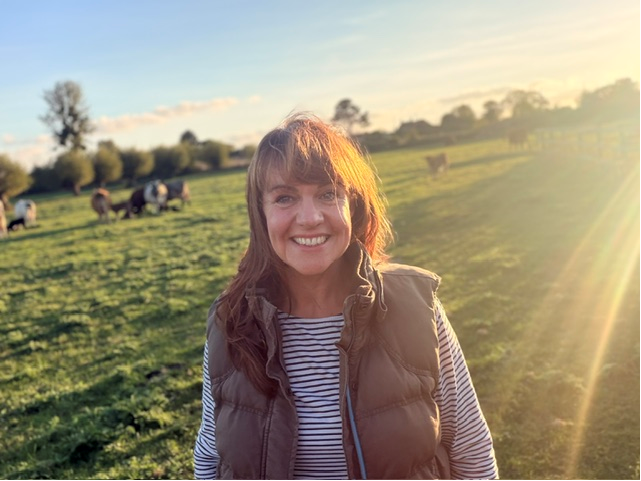
Fi Holder
Farmer · Project & Contract Manager · Agricultural Innovation
Moorwild was founded by Fi Holder, a Somerset Levels and Moors farmer working in project and contract management.
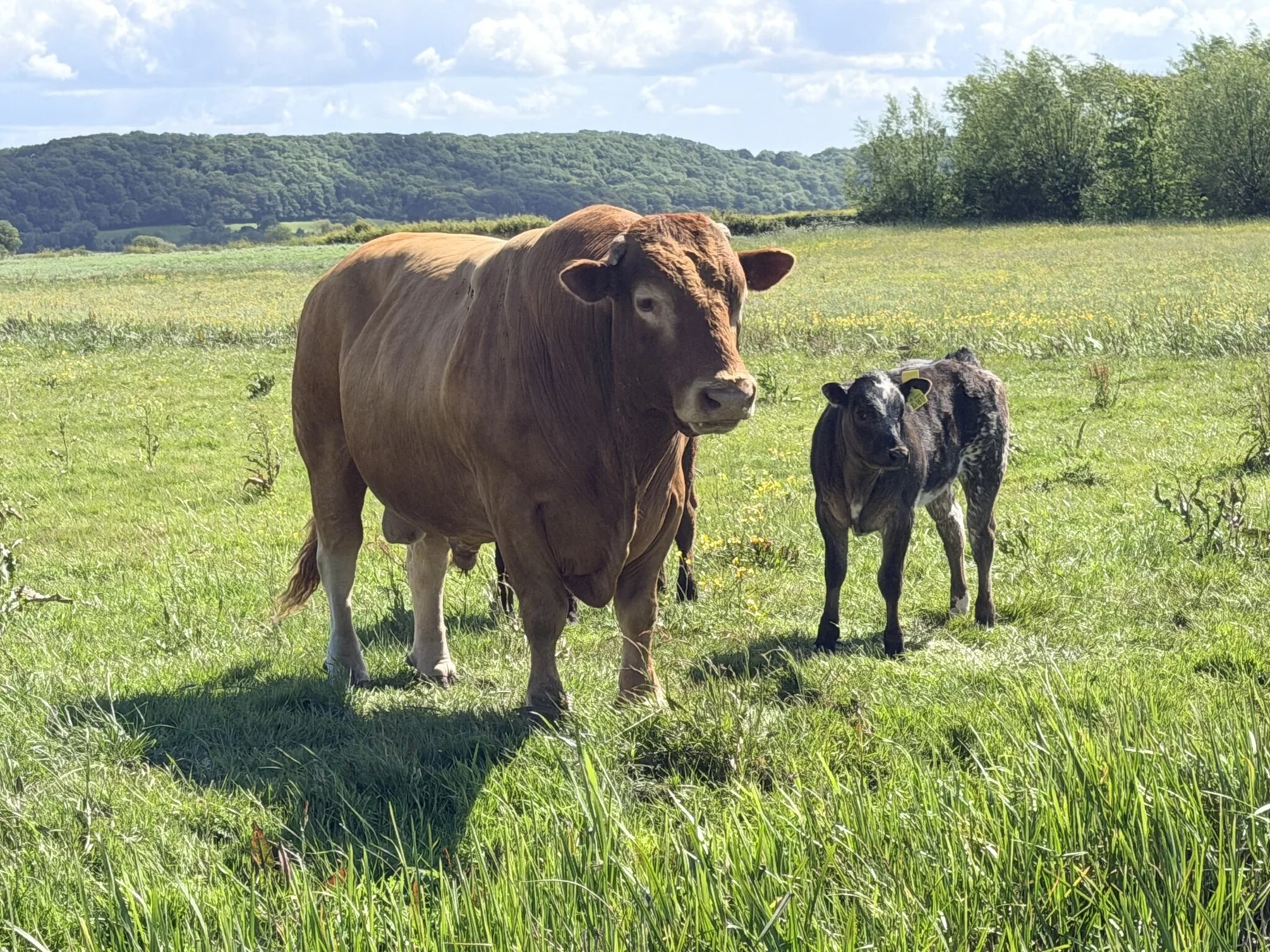
As a partner in a family livestock farming business, Fi has first-hand experience of managing cattle and seasonally flooded grassland in a landscape internationally recognised for its wildlife. This grounds her work in the realities of farm profitability, labour, animal welfare, infrastructure and changing water conditions.
Alongside farming, Fi works with FWAG SouthWest and is a registered ADOPT facilitator. Her work brings farmers, advisers, researchers and organisations together to develop and manage practical projects, oversee contracts, secure funding and test ideas on working farms.
Her particular experience includes hydrology, peatland management, floodplain grazing, grassland management, willow, water and the long-term viability of farms on marginal and wetter land.
Fi has been awarded a 2027 Nuffield Farming Scholarship, sponsored by McDonald’s UK. Her study explores how farms can build profitable futures while supporting nature, with a focus on marginal land, floodplain grazing, native cattle and wetter farming systems.
- —Partner in a family livestock farming business
- —Founder of Moorwild
- —2027 Nuffield Farming Scholar
- —Registered ADOPT facilitator
- —Project and contract management, including securing funding
- —Works with FWAG SouthWest
- —Experience in cattle, floodplain grazing, hydrology, peatland and wetter farming systems
2027 Nuffield Farming Scholarship
Sponsored by McDonald’s UK
Fi’s study explores how farms can build profitable futures while supporting nature, focusing on marginal land, floodplain grazing, native cattle and wetter farming systems. The research will inform Moorwild’s work and help share practical ideas with other farming businesses.
"There must be a better way of doing this."
Moorwild helps work out what that better way might look like, who needs to be involved, how it could be tested and whether there is funding to make it happen.
Experience & delivery
Practical questions, shared work and clear roles.
Moorwild’s approach is to bring farmers, researchers, advisers and commercial partners together; develop practical project questions and trial ideas; support funding applications and project planning; connect environmental objectives with farm costs, labour and business viability; and support collaboration, demonstration and shared learning.
Practical farming experience
As a partner in a family livestock farming business, Fi brings first-hand experience of cattle and seasonally flooded grassland to questions about labour, animal welfare, infrastructure and viability.
Regional leadership and collaboration
Connected to wider Somerset priorities.
Fi’s board and partnership roles connect her practical farming and project work with wider priorities for water, peatland, rural business and economic development.
Somerset Catchment Partnership
Collaboration around water, land management and catchment priorities.
South West Peatland Partnership
Peatland management, landscape resilience and the future of wetter farming.
Somerset Growth Board
The contribution of farming and rural enterprise to Somerset’s economy, livelihoods and communities.
Lowland agricultural peat
Working farmland and an important carbon store.
Lowland agricultural peat is working farmland as well as an important carbon store. Moving towards wetter conditions raises practical questions about what farms can produce, how land can be managed and how businesses can remain viable.
Moorwild explores approaches including grazing, willow and other crops suited to wetter conditions, connecting peat protection with useful products, farm livelihoods and practical land management.
Paludiculture means growing and harvesting crops on wet or rewetted peat.
Farming on lowland peat, trials of wetter management and paludiculture are related but distinct. Not all Moorwild activities take place on rewetted peat, and environmental benefits are not presented as measured where they have not been.
Our ambition
Farmers at the heart of the landscapes they manage.
We want farmers to remain at the heart of their landscapes, with viable businesses that reward food production and environmental stewardship.
Beginning with projects on our own Somerset farm, we are developing an approach that could support other farmers and landowners. Our ambition is to build a network of well-managed projects that benefit water, wildlife and climate alongside grazing and other appropriate agricultural production.
These should become lasting assets: places that sustain livelihoods, support nature and bring people together.
Have a project in mind?
Start with a practical question about your land, farm or idea. We can explore what might be possible together.
Food and nature belong in the same conversation
We don't believe the future of farming should be reduced to a choice between producing food and protecting nature.
Our own landscape makes that impossible.
Grazing cattle can produce high-quality food while managing grasslands that support wildlife. Wetter land can protect peat and store water, but it still needs a viable management system. Environmental improvements can create opportunities, but they can also bring costs, labour and practical consequences for the farm carrying them out.
Those tensions are worth exploring rather than pretending they don't exist.
The Moorwild philosophy
Quality Produce
Food and useful products remain at the heart of farming.
Environmentally Positive
Farming should leave soil, water, wildlife and landscape in better shape.
Economically Sustainable
The farm underneath it has to remain viable.
If we can make those three work together, we believe farming has an exciting future.
Putting our own thinking to the test
Moorwild isn't only about advising other farms. We are applying the same questions to our own.